
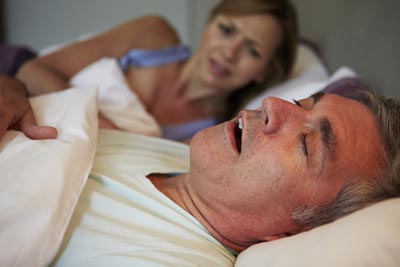
A CPAP machine is one of the most common treatments for obstructive sleep apnea (OSA), but knowing it's effective and being able to use it comfortably every night are two different things. Some people struggle with the mask, feel confined by the equipment, experience dry mouth or nasal irritation, or find it difficult to sleep with the machine running.
If you've been diagnosed with sleep apnea but have trouble tolerating CPAP, you're not out of options. Oral appliance therapy offers an alternative for certain patients. A custom dental device can help keep the airway open during sleep without requiring a mask, hose, or machine.
At Gillespie Dentistry in Vancouver, WA, Dr. Dennis Gillespie works with local sleep medicine doctors to help eligible patients explore oral appliance therapy and find a treatment approach that supports better sleep.
Why Do Some People Struggle With CPAP?
For many patients, CPAP is an effective treatment. However, adjusting to the equipment can take time, and some people have difficulty using it consistently.
Common challenges include:
- Mask discomfort: Finding a mask that fits comfortably can be difficult. Leaks, pressure, or irritation may interrupt sleep.
- Claustrophobia: Some people feel confined or anxious wearing a mask while trying to fall asleep.
- Dryness and irritation: Pressurized airflow may contribute to dry mouth, nasal congestion, or irritation for some patients.
- Equipment inconvenience: Traveling with a machine, managing tubing, and cleaning equipment can make treatment feel like a burden.
- Difficulty sleeping: The sensation of airflow or noise from the equipment may make it harder for some people to fall asleep or stay asleep.
If you're having trouble with CPAP, talk with your sleep physician before stopping treatment. Adjustments to your mask, humidification, pressure settings, or equipment may help. If those changes don't resolve the problem, oral appliance therapy may be worth discussing.
What Is Oral Appliance Therapy?
Oral appliance therapy uses a custom-made dental device worn while sleeping to help keep the airway open. The most common type used for obstructive sleep apnea is called a mandibular advancement device.
This appliance fits over the upper and lower teeth, much like a mouthguard. It gently positions the lower jaw forward while you sleep. Moving the jaw forward can also help bring the tongue and surrounding soft tissues forward, creating more space in the airway and reducing the likelihood of airway collapse.
Unlike CPAP, an oral appliance doesn't require electricity, a mask, or tubing. It's small, portable, and designed to fit your mouth.
At Gillespie Dentistry, Dr. Dennis uses custom mandibular advancement devices from SomnoMed®. These appliances are made specifically for each patient and are designed to provide a comfortable fit while helping improve airflow during sleep.
Who Is a Good Candidate for Oral Appliance Therapy?
Oral appliance therapy can be a good option for some people with obstructive sleep apnea, particularly those with mild to moderate OSA or patients who have difficulty tolerating CPAP.
It may also be considered for certain patients with more severe sleep apnea who cannot use CPAP, depending on their individual circumstances and the recommendations of their sleep physician.
You may want to ask your sleep doctor about an oral appliance if you:
- Have been diagnosed with obstructive sleep apnea.
- Have difficulty wearing a CPAP mask consistently.
- Experience discomfort or anxiety related to CPAP equipment.
- Travel frequently and want a more portable treatment option.
- Have been advised that a custom oral appliance may be appropriate for your type of sleep apnea.
Not everyone is a candidate. Your dental health, jaw function, tooth stability, sleep apnea severity, and other medical factors all play a role in determining whether an oral appliance is appropriate.
A proper sleep evaluation and diagnosis are essential before beginning treatment. Oral appliance therapy should be selected and monitored in coordination with your sleep medicine provider, rather than used as a replacement for prescribed treatment without medical guidance.
What to Expect During Oral Appliance Treatment
At Gillespie Dentistry, oral appliance therapy begins with a consultation with Dr. Dennis Gillespie. He reviews your symptoms and medical history, discusses available treatment options, and evaluates whether you're a suitable candidate.
Dr. Dennis also communicates with your sleep medicine doctor to help ensure your treatment plan is coordinated with your overall sleep care.
If you move forward with treatment, the process generally includes several steps.
1. Consultation and Evaluation
During your initial visit, Dr. Dennis will discuss your sleep apnea diagnosis, symptoms, health history, and treatment experiences. This is an opportunity to talk about what's been difficult with CPAP and what you hope to improve.
He'll also evaluate your dental health and determine whether your teeth and jaw can support an oral appliance.
2. Digital Impressions and Treatment Planning
If you're a candidate, the team will take digital impressions and any necessary X-rays to create a device tailored to your mouth. Gillespie Dentistry works with SomnoMed to provide custom mandibular advancement devices designed for comfort and function.
3. Fitting Your Custom Appliance
Once your appliance is ready, you'll return for a fitting appointment. Dr. Dennis will check the fit and make adjustments as needed to help ensure the device is comfortable and positioned appropriately.
4. Adjustments and Follow-Up
Oral appliance therapy is not a one-time appointment. The device may need gradual adjustments to find the jaw position that provides the best balance of comfort and effectiveness.
Dr. Dennis uses a combination of remote and in-office follow-up visits to help patients progress toward an appropriate jaw position. This process can continue for at least three months, depending on individual treatment needs.
Follow-up with your sleep medicine provider is also important. A sleep study or other recommended testing may be needed to confirm that the appliance is adequately controlling your sleep apnea.
Why Work With a Dental Sleep Medicine Provider?
Treating sleep apnea with an oral appliance involves more than creating a comfortable dental device. The appliance needs to be selected, fitted, adjusted, and monitored to help achieve meaningful improvements in breathing during sleep.
Dr. Dennis Gillespie is a Diplomate of the American Board of Dental Sleep Medicine and has focused much of his continuing education on oral appliance therapy and sleep-disordered breathing. Gillespie Dentistry has treated patients with obstructive sleep apnea for more than 15 years.
Dr. Dennis also works closely with local sleep medicine doctors. This collaboration helps connect dental treatment with medical diagnosis and ongoing sleep care. His approach includes evaluating patient eligibility, fabricating custom appliances, monitoring treatment progress, and managing potential side effects.
For added peace of mind, Gillespie Dentistry's SomnoMed appliances include a three-year warranty, according to the practice's website.
Take the Next Step Toward Better Sleep
Living with untreated sleep apnea can affect much more than your energy level. Symptoms such as loud snoring, daytime fatigue, waking up gasping, dry throat, and difficulty concentrating can interfere with daily life. Sleep apnea is also associated with increased risks for serious health conditions, making appropriate diagnosis and treatment important.
If CPAP hasn't worked well for you, that doesn't mean you have to give up on treatment. Oral appliance therapy may offer a more comfortable and convenient option, depending on your diagnosis and dental health.
At Gillespie Dentistry, Dr. Dennis Gillespie works with patients and their sleep physicians to determine whether a custom oral appliance is a good fit. The practice also accepts many medical insurance plans for sleep apnea treatment, including Medicare, and can help patients navigate insurance preauthorization.
Ready to explore an alternative to CPAP? Contact Gillespie Dentistry in Vancouver, WA, to schedule a sleep apnea consultation with Dr. Dennis and determine if oral appliance therapy is right for you.

