
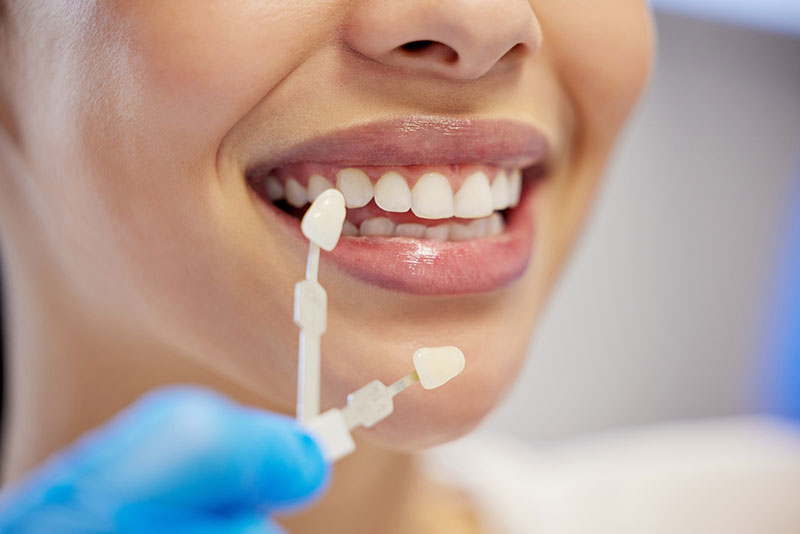
If you want to improve the appearance of your smile, dental veneers can be an effective way to address several cosmetic concerns at once. Veneers can change the color, shape, size, and overall appearance of your teeth, helping create a more balanced and confident smile.
Two common types of veneers are porcelain and composite veneers. While both can produce beautiful results, they differ in materials, appearance, durability, and treatment process. Understanding the differences can help you have a more informed conversation with your dentist about which option may be right for you.
What Are Dental Veneers?
- Discolored or stained teeth
- Small chips or cracks
- Minor gaps between teeth
- Uneven or irregularly shaped teeth
- Teeth that appear too small or short
- Cosmetic imperfections that don't respond well to whitening
Veneers are customized for each patient, allowing your dentist to consider your facial features, smile, tooth proportions, and cosmetic goals when planning your treatment.
Two of the most common veneer materials are porcelain and composite resin.
What Are Porcelain Veneers?
Porcelain veneers are thin, custom-made restorations created from dental ceramic. They are fabricated to fit your teeth and are designed to mimic the appearance of natural enamel.
One of the biggest advantages of porcelain is its ability to reflect light similarly to natural tooth enamel. Porcelain veneers can provide a highly natural-looking and polished result while helping conceal discoloration and other cosmetic imperfections.
Porcelain is also resistant to staining, which can help your smile maintain its appearance over time when you practice good oral hygiene and follow your dentist's recommendations.
Benefits of Porcelain Veneers
Porcelain veneers may be a good option for patients who want a long-lasting cosmetic solution. Benefits can include:
- A natural-looking appearance
- Excellent color and translucency
- Resistance to staining
- Customized shape, size, and shade
- Durable material designed for long-term use
- The ability to address multiple cosmetic concerns at once
Porcelain veneers generally require more planning and laboratory fabrication than composite veneers, so the process may take more than one appointment.
What Are Composite Veneers?
Composite veneers are made from tooth-colored composite resin, the same general type of material used for dental bonding. Instead of being fabricated entirely outside the mouth, composite resin can often be applied and shaped directly on the teeth by your dentist.
Because composite veneers can often be completed more quickly, they may be an appealing option for patients who want cosmetic improvements without the more extensive process associated with porcelain veneers.
Benefits of Composite Veneers
Composite veneers can offer several advantages, including:
- A potentially faster treatment process
- A more affordable option in some cases
- The ability to make cosmetic changes without extensive treatment
- Easy repair if the material becomes chipped or damaged
- Customizable shape and color
- The ability to address minor cosmetic imperfections
Composite veneers may be particularly appropriate for patients who want to make smaller cosmetic changes or who are looking for a more budget-conscious option.
Porcelain vs. Composite Veneers: What's the Difference?
While both types of veneers can improve the appearance of your smile, there are several differences to consider.
Porcelain veneers are generally more resistant to staining and can provide exceptional durability and a highly natural appearance. They also require a more involved fabrication process.
Composite veneers can often be completed more quickly and may be easier to repair or modify. However, composite resin is generally more susceptible to staining and wear than porcelain.
The best option depends on your smile goals, budget, oral health, and the type of changes you want to make.
How Do You Choose Between Porcelain and Composite Veneers?
There's no universally better veneer material. Your dentist will consider several factors when helping you choose, including the health of your teeth and gums, the extent of your cosmetic concerns, your desired results, and how long you want your treatment to last.
If you're looking for dramatic and long-lasting cosmetic changes, porcelain veneers may be worth considering. If you're interested in a quicker or more conservative cosmetic treatment, composite veneers may be a better fit.
Your dentist can also explain how each option would look on your specific smile and discuss the expected maintenance and longevity of your chosen treatment.
How Can You Make Your Veneers Last?
Regardless of which type of veneer you choose, taking care of your smile is important for maintaining your results. Brush and floss regularly, attend your recommended dental appointments, and avoid using your teeth to bite or open hard objects.
If you grind or clench your teeth, your dentist may also recommend a nightguard to help protect your veneers and natural teeth.
Find the Right Veneer Option for Your Smile
Veneers can be a great way to address multiple cosmetic concerns and create a smile that looks natural and feels like you. Porcelain and composite veneers each offer unique benefits, and the right choice depends on your individual needs and goals.
At Gillespie Dentistry, our team can evaluate your smile, discuss your cosmetic concerns, and help you determine whether porcelain or composite veneers are right for you. We'll take the time to explain your options so you can feel confident in your treatment decision.
Contact Gillespie Dentistry today to schedule a cosmetic consultation and learn more about transforming your smile with veneers.

